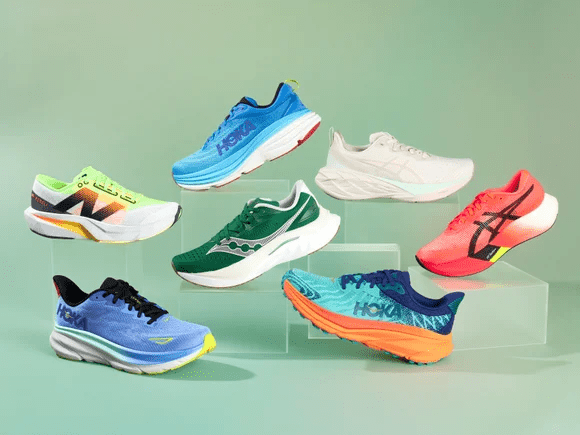
Have you ever stopped to ask yourself if those thick–heeled running shoes you proudly lace up every day are actually doing your feet any favors? Many of us chase comfort, and it’s understandable. But sometimes what seems comfortable at first glance could be working against us in the long runespecially when it comes to our health. Have a look at https://www.businesspally.com/how-to-clean-hoka-shoes/.
At first, I didn’t think much about it. Thick soles looked modern, stylish, and gave off a sense of sturdy support. But with time, I began to question what I was actually gainingor losingby choosing chunky footwear for my everyday walks or jogs. The idea that “more cushion means better” can be misleading if we don’t stop to understand wearing these shoes while running increases your injury risk.
One major concern is the way these thick-heeled shoes affect our posture and alignment. While you may feel like you’re walking on clouds, your natural stride can be thrown off without you realizing it. That extra lift under the heel can shift your body forward slightly, putting pressure on your knees, hips, and even your lower back. Over time, that’s not something to ignore.

And let’s not forget the way our feet are meant to move. The foot is designed to flex, bend, and adjust with each step we take. But when the sole is too rigid or too elevated, that natural movement is limited. Thick heels often interfere with our body’s rhythm, reducing the muscle engagement we actually need to build strength and stability. It’s not just about being softunderfoot; it’s about being functional and balanced.
Another issue that’s often overlooked is breathability. A lot of these thick-heeled designs focus on the external build, that is, how tall the heel is or how thick the sole feels. But they sometimes ignore basic things like ventilation. On warmer days, your feet can get sweaty and uncomfortable, and if the upper material doesn’t let in enough air, it only makes things worse. I believe that comfort includes staying cool and dry, especially during long hours of wear.
Additionally, continued using of high heeled running shoes for a long time can reduce your foot strength and stability. The increased reliance on the cushioning destabilizes your foot muscles and over time, can make the feet more vulnerable to injuries.
And of course, durability is something we should all think about. Some thick-heeled shoes wear down faster than expected, especially when they’re used on uneven surfaces or for intense workouts. It’s frustrating to spend your hard-earned money on something that can’t keep up with your lifestyle. Investing in a shoe that holds up well and maintains support over time should always be a top priority.
Let’s also touch on style. We all like to feel good about how we look, and there’s nothing wrong with that. But it’s possible to find shoes that balance both form and function and shoes that still look trendy but don’t compromise on support and natural movement. Style should never come at the cost of your health.
So,before you fall for that next pair of thick-heeled running shoes that promises comfort and trendiness, ask yourself: Is it really good for your health in the long term? Are you prioritizing how you feel today over how you might feel six months from now? The little things matterand your feet, posture, and overall well-being should never be taken lightly.
I’m not saying thick-heeled shoes are evil. I’m simply encouraging you to be mindful. Try listening to your body and understanding how your footwear is truly affecting you. Health is more than just looking good; it’s about feeling strong, balanced, and pain-free every day.